We’ve spent a lot of time talking to households about transitioning to clean energy, including the 50 homeowners surveyed in our clean energy transition research initiative, and the more than 1000 households that have received a consultation with one of our advisors.
And well, we’ve noticed a few things.
Not that we want to put people into buckets…but we’ve put people into buckets. Like all good market research we’ve discovered that people fall into different personas, and those different personas want different things. In our defence, we’re doing it for a good cause – figuring out the right ways to help each persona transition to clean energy.
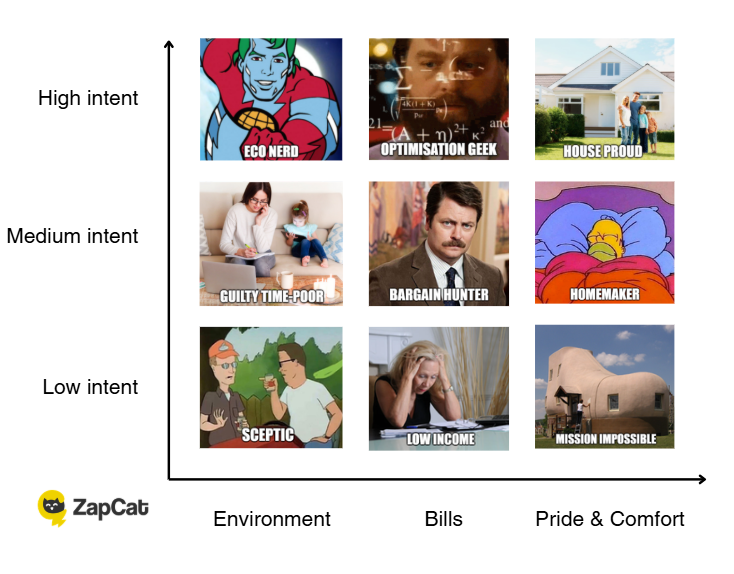
Eco Nerds
Eco nerds are primarily motivated by environmental impact. In our survey they were highly confident in making informed decisions, and would invest lots of time researching options. In interviews we found that they were willing to purchase clean energy products even when they were more expensive, or wouldn’t result in bill savings.

Motivated by: Reducing their carbon footprint
Catchphrase: “I don’t care how much it costs, I want a passive house”
Preferred resources: Community meetings, online articles, discussion forums
Optimisation Geeks
Optimisation geeks are primarily motivated by cost savings, and having the most optimised system to reduce their energy bills. In our survey they were highly confident in making informed decisions, and would invest lots of time researching options and learning about technical details. They enjoy having a well designed system that operates at peak efficiency. They are willing to invest money in the latest clean energy products because they know they will make the money back (and more) in the long run.

Motivated by: Saving money on energy bills, and the joy of a well designed and properly installed system.
Catchphrase: “My system is so efficient I pay nothing to the electricity company”
Preferred resources: Savings calculators, online articles, discussion forums
House Proud
The house proud homeowners are primarily motivated by increasing the value of their property, or increasing their prestige, rather than being motivated by environmental benefits or bill savings. They view clean energy products as investments for when they sell their property in the future. They are more likely to invest in known brand names that are associated with quality or luxury, and appreciate good aesthetic design.

Motivated by: Increasing the value of their property
Catchphrase: “This is going to add tons of value when we sell”
Preferred resources: Trusted advisors
Guilty Time-poor
The guilty time-poor homeowners are motivated by the environment and bill savings, and have a reasonable level of confidence, but very little time to spend researching options. They are often working professionals and parents who can afford clean energy products, but they will only take action if it’s extremely convenient. In interviews we found that they feel guilty about not transitioning but also don’t have the time to do anything about it.

Motivated by: Environmental benefits and bill savings
Catchphrase: “I’ve been meaning to do this for ages but just never get around to it”
Preferred resources: Instant calculators, online booking
Bargain Hunter
Bargain hunters are cost-conscious individuals who need to see the financial payback to be interested. They are primarily motivated by bill savings rather than the environment. They are low in trust, and expect that installers will rip them off and payback estimates won’t be accurate. They want value for money rather than premium brands.

Motivated by: Bill savings and the feeling of getting a very good deal
Catchphrase: “How much will I save?”
Preferred resources: Savings calculators, independent advisors
Homemaker
Homemakers are primarily motivated by having a comfortable home. The environment and bill savings are not significant motivators for them. To transition they need to believe that the new product will work well, and will bring benefits for their day-to-day life. They are more likely to be interested in heating and cooling related upgrades that will make their home more comfortable.
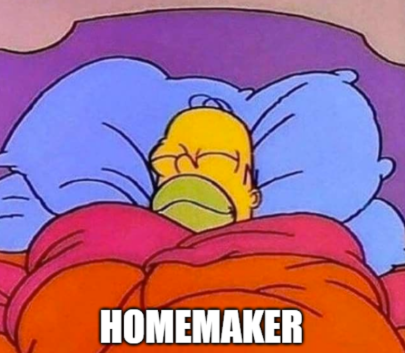
Motivated by: Feeling comfortable in their home
Catchphrase: “My home feels so much better”
Preferred resources: Recommendations from friends, trusted advisors
Sceptics
Sceptics have no interest in transitioning to clean energy, and in some cases actively oppose the transition. They feel confident in their views and are unlikely to seek out information on clean energy products. Sceptics question claims that clean energy products deliver benefits over traditional products. In some cases they question the existence of climate change as a whole.

Motivated by: Nothing, they have no interest in clean energy
Catchphrase: “We should all just stick with coal, clean energy is a woke rort”
Preferred resources: Truth Social and X
Low Income
Low income households face insurmountable barriers to transitioning, either because they cannot afford the up-front cost, or because they are renting. They are faced with ever increasing energy bills and will sometimes cut back on energy use or other essential items to be able to pay their bill. They are more likely to be interested in simple, cheap actions they can take to reduce bills. However, multiple life stressors often make it difficult for them to find and action this information.
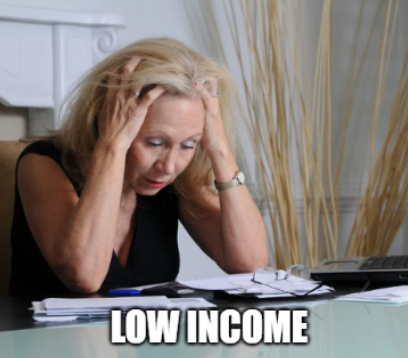
Motivated by: Bill savings
Catchphrase: “I just can’t afford it”
Preferred resources: Experience multiple life stressors that may prevent them accessing resources
Mission Impossible
Households that face mission impossible are those who are motivated, but where there is no technical solution available for their needs (or no solution that is feasible from a comfort and aesthetic perspective). This can include people living in apartments, small or strangely shaped houses where there is not enough space for the upgrade. It can also include people in heritage buildings where there are restrictions on the type of upgrades that can be installed.
Some people can accidentally place themselves in this category and not realise there is a solution available. For example, they may have heard from a friend that it’s not possible to get solar on a steep, shaded roof, even though micro-inverters now make this possible. Their believe that it’s not possible can prevent them investigating further.

Motivated by: Finding a feasible technical solution
Catchphrase: “Is it possible?”
Preferred resources: A second opinion from a technically competent advisor